- Whatsapp: +8613732201621
- Email: [email protected]


As a leading Trigger Sprayer Manufacturer, HTX Pack delivers heavy-duty and ergonomic spraying solutions for the household cleaning and automotive care markets. Our Plastic Trigger Sprayers feature adjustable nozzles (Stream/Spray/Off) and are built to withstand harsh chemicals. We offer Bulk Trigger Sprayers at competitive factory prices.
Product Advantages:
· Functional Versatility: Choose from Foam Trigger Sprayers, Mini Trigger Sprayers, and high-output garden sprayers.
· Ergonomic Design: Engineered for finger comfort during prolonged use, reducing user fatigue.
· Robust Construction: Made from durable BPA-free PP plastic with options for All-Plastic (Recyclable) Triggers.
· Applications: Essential for Kitchen Cleaning Products, bathroom deodorizers, Car Care Sprays, and pest control solutions.
| Item | Our offer |
| MOQ | 10000PCS or NEGOTIATED |
| Sample | free sample |
| Sample delivery | cost on customer’s side,ie DHL,Fedex |
| Lead time | 30-40days |
| Main Product | cosmetic bottle,pump,mist spray,trigger,cap,jar,etc |
| Printing | can be customized |
| Color | can be customized as per pantone |

Injection Mold Machine

Injection Mold Machine
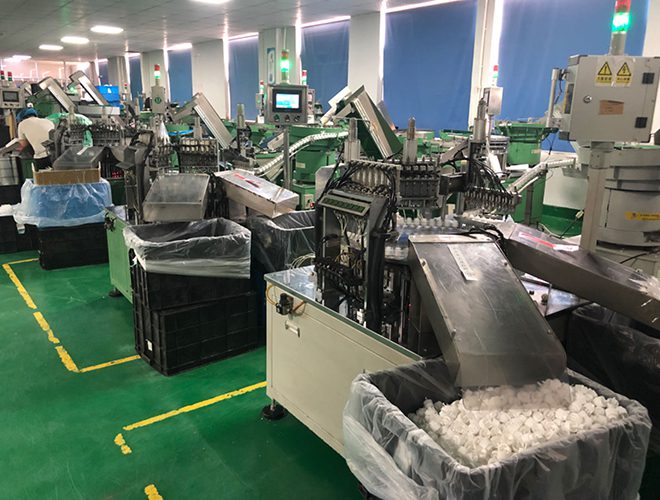
Installnation Workshop

Raw Material Transfer
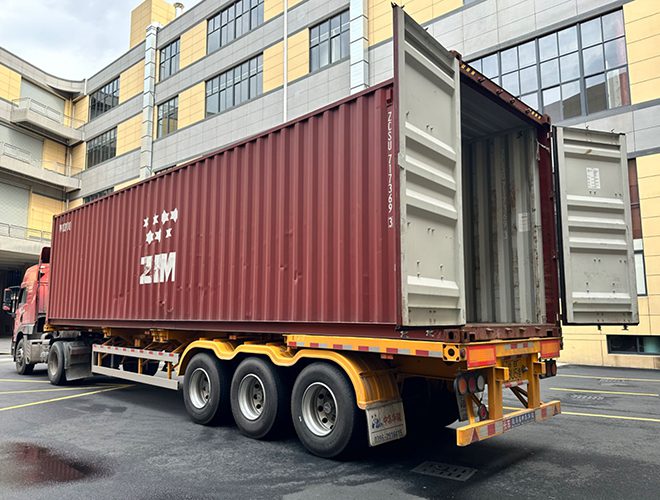
Container Loading

Vacumm Test Machine

Vacumm Test Machine

Image Tester
Trigger sprayers have become an indispensable part of our daily lives, found on everything from cleaning products to gardening tools. But have you ever stopped to think about the clever engineering behind these ubiquitous devices? This comprehensive guide will pull back the curtain on trigger sprayers, exploring their intricate structure, diverse applications, and even a peek into their sustainable future. Whether you’re a trigger sprayer wholesale distributor, a product developer, or simply curious, this guide is for you.
A trigger sprayer is a mechanical device designed to dispense liquids in a controlled manner, typically as a spray, stream, or mist. It achieves this by using a small pump activated by a lever or “trigger.” From disinfecting surfaces to watering plants, these versatile tools allow for precise and efficient liquid application, making tasks easier and more effective. Many leading companies rely on a trusted trigger sprayer manufacturer to source these essential components.
Despite their seemingly simple operation, trigger sprayers are composed of several interconnected parts, each playing a crucial role in their function. While designs can vary, here are the core components you’ll typically find:
Trigger/Handle: This is the part you squeeze to activate the sprayer. Its ergonomic design is important for comfortable use, especially during extended periods.
Nozzle/Spray Head: Located at the very end, the nozzle dictates the spray pattern and can often be adjusted to produce a fine mist, a powerful stream, or a wide spray.
Piston and Cylinder: Inside the sprayer, a piston moves within a cylinder. This creates the vacuum and pressure necessary to draw up and expel the liquid.
Spring: A spring helps return the piston to its original position after each squeeze, preparing the sprayer for the next pump.
Dip Tube (Suction Tube): This long, thin tube extends from the sprayer mechanism down to the bottom of the bottle, drawing liquid up as the sprayer is activated.
Gasket/Sealing Components: These small, often rubber or plastic trigger sprayer parts, create a tight seal within the pump, preventing leaks and ensuring efficient pressure build-up. The material of these gaskets is crucial for compatibility with different liquids.
Ball Valve: Typically a small glass or plastic ball, this acts as a one-way valve, preventing liquid from flowing back into the bottle once it has entered the pump.
Closure/Neck Finish: This is the part that screws onto or snaps onto the bottle. Common sizes include 28/400 and 28/410, and some closures feature ratchet or bayonet designs for added security or child-proofing.
Housing/Body: The main outer structure that encases all the internal components.
The magic of a trigger sprayer lies in its clever use of basic fluid dynamics. Here’s a simplified breakdown of the pumping action:
Squeeze the Trigger: When you squeeze the trigger, it pulls a piston backward within a cylinder.
Creating a Vacuum: This movement creates a vacuum, or an area of low pressure, inside the cylinder.
Drawing Up Liquid: The vacuum pulls liquid from the bottle, up through the dip tube, and past the ball valve into the cylinder. The ball valve ensures the liquid only flows one way.
Expelling the Liquid: As you release the trigger, the spring pushes the piston forward. This rapidly increases the pressure inside the cylinder, forcing the liquid through a narrow channel and out of the nozzle.
Atomization: The narrow opening of the nozzle causes the liquid to break apart into tiny droplets, creating the characteristic spray, mist, or stream. The continuous squeezing and releasing action maintains a steady flow of liquid.
Trigger sprayers aren’t one-size-fits-all. They’re designed with specific applications and user needs in mind, leading to a variety of types:
By Application:
Industrial Trigger Sprayers: Built for durability and handling harsh chemicals, these are often found in commercial cleaning, automotive, and agricultural settings. They may offer higher output dosages and robust construction.
Consumer/Household Trigger Sprayers: Lighter duty and more aesthetically varied, these are what you’ll find on most everyday household products like glass cleaners and plant misters.
By Nozzle Functionality/Spray Pattern:
Adjustable Nozzles: The most common type, allowing users to twist the nozzle to switch between a fine mist, a targeted stream, or a wider spray. Some also include an “off” position for leak prevention.
On/Off Nozzles: Simple designs that either spray or are off, without adjustable patterns.
Foam Spray Nozzles: These create a rich, clinging foam, ideal for cleaners that need more contact time with a surface.
Continuous Spray Nozzles: Designed to deliver a prolonged, ultra-fine mist with a single press, often used for hair products or fine detailing.
By Design Features:
Child-Resistant Trigger Sprayers: Incorporate safety mechanisms that require a specific action (like pushing down and twisting) to activate, preventing accidental use by children.
Ergonomic Designs: Featuring contoured handles and easy-to-press triggers for comfortable, fatigue-free use.
Upside-Down Functionality: Some advanced designs allow the sprayer to work efficiently even when the bottle is inverted, perfect for reaching awkward angles.
The versatility of trigger sprayers makes them indispensable across a vast array of industries and everyday tasks:
Household: Glass cleaners, kitchen and bathroom disinfectants, air fresheners, fabric refreshers, laundry pre-treatments, and even indoor plant care.
Gardening: Applying pest control, liquid fertilizers, foliar feeds, and general plant watering.
Automotive: Car cleaning solutions, tire shine, interior detailers, and windshield washer fluids.
Personal Care & Beauty: Hair sprays, body mists, tanning solutions, and some topical lotions.
Medical & Healthcare: Dispensing disinfectants, sanitizers, and various topical medical applications in clinics and homes.
Industrial & Commercial: Heavy-duty degreasers, specialized chemical applications, and industrial cleaning solutions.
Other Niche Applications: From culinary uses (e.g., oil misters) to craft projects and pet care products.
Selecting the perfect trigger sprayer goes beyond just grabbing any one off the shelf. Several critical factors influence its performance and suitability for your specific needs:
Liquid Compatibility: This is paramount. The materials used in the sprayer’s components (plastics, rubber, metal for springs) must be compatible with the chemical composition of the liquid it will dispense. Strong acids, alkalis, or solvents can degrade incompatible plastics, leading to leaks or sprayer failure. A reputable trigger sprayer supplier can provide detailed material compatibility charts.
Desired Spray Mode & Output: Consider how you want the liquid to be dispensed. Do you need a fine mist for even coverage, a strong stream for targeted cleaning, or a rich foam? Also, consider the dosage – how much liquid is dispensed with each squeeze (measured in milliliters per stroke).
Bottle Compatibility: Ensure the sprayer’s neck finish (e.g., 28/400, 28/410) matches your bottle. The dip tube length also needs to be appropriate for the bottle’s height to ensure all liquid can be drawn up.
Durability and Longevity: For products requiring frequent use or with harsh chemicals, a more robust, durable sprayer is essential. For single-use or less demanding applications, a standard consumer-grade sprayer may suffice.
User-Friendliness: An ergonomic design, an easy-to-press trigger, and a smooth, consistent spray action contribute to a positive user experience.
Safety Features: If the product contains hazardous chemicals or is intended for use around children, features like child-resistant locks are crucial. Leak-proof designs are also vital to prevent spills and waste.
Aesthetics and Branding: For consumer products, the sprayer’s color, design, and overall appearance play a role in brand recognition and appeal.
The production of trigger sprayers is a sophisticated process, primarily relying on plastics due to their versatility, cost-effectiveness, and chemical resistance. Many high-quality plastic trigger sprayer units are produced in facilities around the globe, with China trigger sprayer manufacturers being significant players in the market.
Common Materials:
Polypropylene (PP): Widely used for the main body and trigger due to its good chemical resistance and rigidity.
Polyethylene (PE): Often used for dip tubes and some sealing components, available in Low-Density (LDPE) and High-Density (HDPE) variants.
Acrylonitrile Butadiene Styrene (ABS): Provides a harder, more rigid structure for certain components.
Ethylene-vinyl acetate (EVA): Can be used for flexible components like seals.
Stainless Steel: Typically used for the spring and sometimes the ball valve due to its corrosion resistance.
Manufacturing Processes:
The vast majority of plastic components are formed through injection molding, a process where molten plastic is injected into a mold cavity to create precise shapes.
Once molded, the individual components are then assembled, often using automated machinery, to create the final trigger sprayer unit.
Quality Control and Testing: Rigorous quality control measures are in place during manufacturing. This includes leak testing, spray pattern consistency checks, and durability tests to ensure each sprayer performs reliably and safely. As a trigger sprayer manufacturer, maintaining these standards is paramount.
As environmental consciousness grows, the trigger sprayer industry is rapidly evolving to embrace more sustainable practices.
Post-Consumer Recycled (PCR) Plastics: A significant trend is the increasing adoption of PCR materials in sprayer production. This involves using plastics recycled from consumer waste, reducing the demand for virgin plastic and lowering carbon footprints.
Recyclability: Manufacturers are designing sprayers with simpler constructions and using single-material components where possible to make them easier to recycle at the end of their life.
Refillable Systems: Promoting refillable bottles combined with durable, long-lasting trigger sprayers is a key strategy to reduce single-use plastic waste. Consumers can purchase concentrated refills and reuse their existing sprayer and bottle. This also opens opportunities for trigger sprayer wholesale suppliers focusing on eco-friendly options.
Innovations in Design: Future innovations aim to further reduce plastic content, enhance the efficiency of spray mechanisms, and explore bio-based or biodegradable materials as alternatives to traditional plastics.
While trigger sprayers are generally robust, a little care can significantly extend their lifespan and ensure optimal performance.
Cleaning Tips:
For water-based liquids: After use, spray clean water through the sprayer to flush out any residue.
For chemical products: If possible, rinse the sprayer by spraying warm, soapy water, followed by clear water. For strong chemicals, consult the product’s instructions for cleaning the applicator.
Common Issues and Solutions:
Clogging: Often caused by dried residue in the nozzle. Try soaking the nozzle in warm water or a suitable solvent (if safe for the sprayer material). A thin wire can help clear blockages.
Leaks: Check if the cap is screwed on tightly. If the leak is from the nozzle or trigger area, it might indicate a damaged seal or internal component.
Inconsistent Spray/No Spray: This could be due to a clogged dip tube, a damaged spring, or issues with the internal pump mechanism. Ensure the dip tube isn’t kinked or blocked.
Storage Best Practices: Store sprayers upright in a cool, dry place to prevent leaks and component degradation. Avoid exposing them to extreme temperatures.
From humble beginnings, trigger sprayers have evolved into sophisticated devices integral to countless industries and daily routines. Understanding their fundamental components, how they work, and the vast array of types and applications empowers you to make informed choices. As we look to the future, the drive towards sustainability promises even more innovative and eco-friendly designs. The trigger sprayer truly is a small marvel of engineering, constantly adapting to meet our needs in an ever-changing world.
If your trigger sprayer isn’t dispensing liquid effectively, it could be due to a clogged nozzle, a damaged spring, or air trapped in the pump mechanism. To resolve this issue, check the nozzle for blockages and clean it regularly. If the problem persists, inspect the trigger mechanism for wear and tear. Regular maintenance can help ensure smooth dispensing and prevent malfunctions.
An uneven spray pattern is typically caused by a damaged nozzle or a misaligned actuator. This can lead to uneven coverage, which may be problematic for consistent applications. To fix this, ensure the nozzle is properly tightened and check the internal components for any cracks or debris. You can also adjust the nozzle to the spray setting that best fits your needs (Stream, Spray, Off).
Leakage in trigger sprayers can occur due to worn-out seals or over-tightening of the cap. To prevent leakage, ensure that the sprayer’s components are in good condition and the nozzle is securely fastened without over-tightening. Always check the sealing parts of the sprayer to ensure they are intact, especially when using strong chemicals or cleaning solutions.
A stiff trigger sprayer can result from dry, hardened components or inadequate lubrication of the pump mechanism. If your sprayer becomes stiff, try spraying warm water through it to loosen any stuck parts. In some cases, applying a lubricant designed for plastic components can help maintain smooth functionality.
When using trigger sprayers with thicker liquids (such as gels or creams), the nozzle may clog more easily. To prevent this, ensure you’re using the correct sprayer type—a high-output or foam trigger sprayer is recommended for thicker solutions. Regular cleaning and maintenance are key to ensuring consistent performance when using viscous liquids.
If your trigger sprayer is dispensing too much or too little liquid, this could be due to an incorrect nozzle setting, an incorrect fit with the bottle, or the sprayer mechanism not being calibrated properly. Adjust the nozzle to your desired setting and ensure the sprayer is properly fitted to the bottle neck. In some cases, you may need to recalibrate the pump mechanism.
Yes! HTX Pack high-output trigger sprayers are designed to handle outdoor applications, including garden sprays and pest control solutions. These sprayers are built to withstand harsh environments and are durable enough for regular use in different weather conditions, whether for gardening in the U.S. Midwest or pest control in Europe. Make sure to use the correct spray setting for maximum efficiency in outdoor applications.
To extend the lifespan of your trigger sprayer, always store it in a cool, dry place away from direct sunlight or extreme temperatures. Prolonged exposure to harsh conditions can cause plastic components to degrade over time. If storing for long periods, empty the liquid, clean the sprayer, and allow it to dry completely to avoid mold or clogging.
If your trigger sprayer has been used with harsh chemicals, it’s important to flush it out thoroughly with water after each use. Disassemble the nozzle and trigger mechanism, if possible, to clean them thoroughly and remove any chemical residue. This will prevent clogging and ensure the sprayer remains effective for future uses.
Yes, HTX Pack trigger sprayers are highly suitable for cosmetic applications such as body sprays, facial mists, and hair care products. The fine spray mist feature in some of our sprayers allows for even and controlled application, making them ideal for cosmetic products in regions such as Asia, where facial mist products are highly popular, or in North America for body care lines.

Make easier on pack and make better for customer
Privacy Policy | SiteMap
Copyright HTX Pack